


Blog Authorship: How to Boost Ranking and Credibility

June 1, 2026

Share this article

Blog authorship refers to the clear identification of a content creator to establish Expertise, Experience, Authoritativeness, and Trust (E-E-A-T). By prominently displaying a verified author profile, websites signal to Google that the information is credible, which significantly improves search rankings, brand authority, and user engagement in competitive digital spaces.

Why is blog authorship important for Google ranking?

In the modern digital landscape, Google prioritizes content that comes from a verifiable, expert source. The concept of blog authorship is no longer just about giving credit to a writer; it is a fundamental pillar of Search Engine Optimisation (SEO). When a website displays a clear author, it helps search engines connect the content to a person with a specific reputation and history.

This connection is a major factor in how Google evaluates the quality of a page. If a blog post about medical advice is written by a certified doctor, it holds more weight than an anonymous post. Similarly, in the world of digital marketing , a post written by a seasoned strategist will likely outrank a generic article. Google's algorithms are designed to protect users from misinformation, especially in niches related to health, finance, and safety (Your Money or Your Life topics).

By establishing strong authorship, you are effectively telling Google: "This content is written by a human expert who is accountable for these words." This transparency reduces the risk of being flagged as AI-generated spam or low-quality filler. As we move deeper into 2026, the human element of content creation has become the ultimate differentiator in an ocean of automated text.

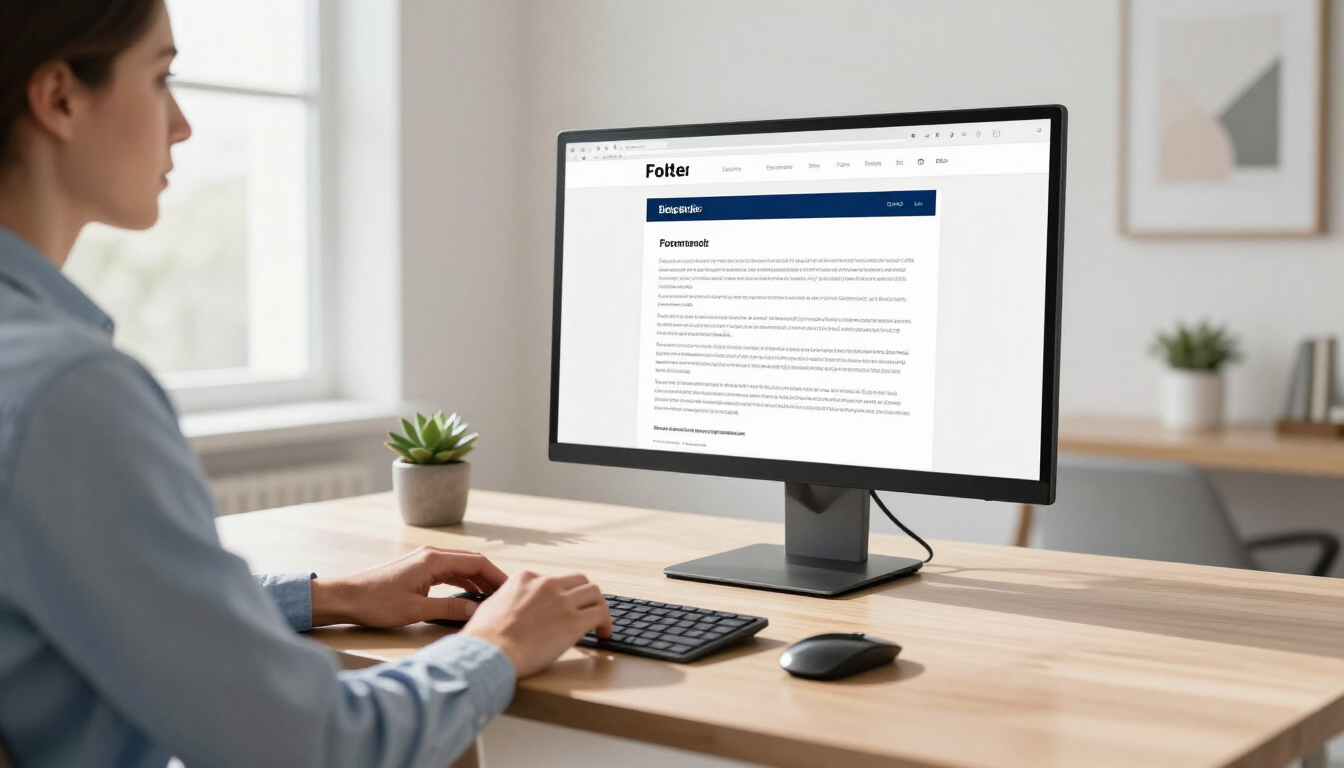
Professional Writer Working

How does E-E-A-T relate to blog writers?

E-E-A-T stands for Experience, Expertise, Authoritativeness, and Trustworthiness. These are the four quality benchmarks Google’s Human Search Quality Raters use to evaluate content. For blog writers, these elements are demonstrated through authorship signals.

  • Experience: Does the author have first-hand, real-world experience with the topic?
  • Expertise : Does the author have the formal credentials or deep knowledge required?
  • Authoritativeness : Is the author recognized as a go-to source in their industry?
  • Trustworthiness : Is the site and the author providing honest, accurate information?

Without a clear author, it is nearly impossible for a search engine to verify these traits. When you invest in professional SEO content services, you aren't just buying words; you are buying a strategy that highlights your brand's authority. Proper authorship ensures that every piece of content published on your websites contributes to a long-term reputation that Google can track and reward.

What is the best position for an author bio?

The positioning of your author bio can influence both user behaviour and search engine perception. There are generally two primary schools of thought: placing the bio at the top of the post or at the bottom.

Placing a brief author byline and a link to their profile at the top of the page—right under the headline—is considered best practice for immediate credibility. It tells the reader right away who is speaking. This is particularly effective for e-commerce blogs where expert reviews drive sales. If a customer sees that a professional designer wrote the guide, they are more likely to trust the product recommendations.

However, a more detailed author bio is typically found at the bottom of the page. This allows the reader to finish the article and then learn more about the person who provided the value. For the best results, many top-tier blogs use a hybrid approach:

  1. Top of Page : Name, photo, and a one-sentence credential.
  2. Bottom of Page : A full 3-5 sentence bio with links to social media and professional portfolios.
  3. Dedicated Author Page : A separate URL that aggregates all posts by that author, providing deep context for Google.

Key Elements of a Professional Author Bio

A great author bio isn't just a list of hobbies; it is a mini-resume optimised for search engines. To maximise your credibility, every bio should include these specific components:

  • Professional Headshot : A high-quality photo of a real human being.
  • Clear Job Title : Define exactly what makes this person an expert (e.g., "Senior Web Architect").
  • Relevant Experience : Briefly mention years in the industry or specific certifications.
  • Social Proof : Links to LinkedIn or X (formerly Twitter) where the author is active.
  • Value Statement : A short sentence on how the author helps the reader.

Using these elements consistently across your site helps build a "knowledge graph" around your authors. This makes it easier for Google to connect the dots between your website support guides and the experts behind them.

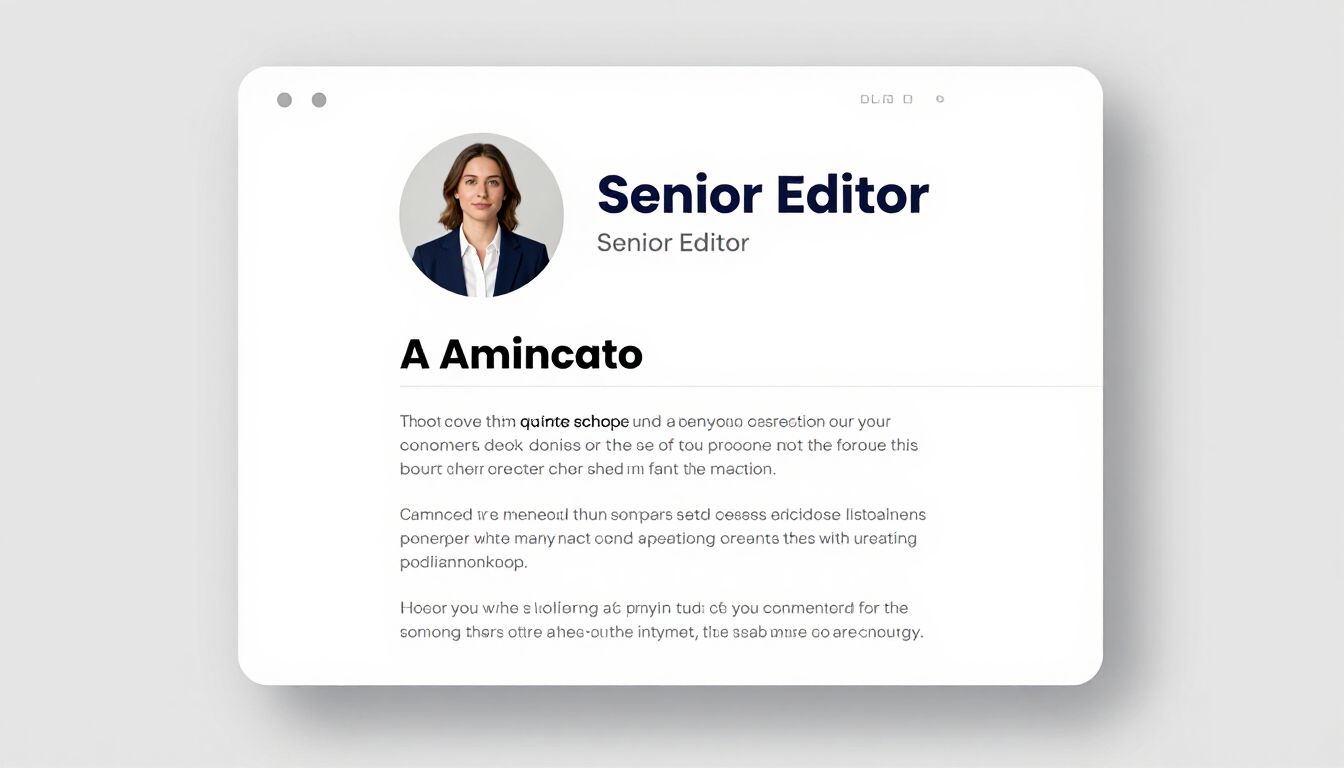
Modern Blog Layout

Why should you use Schema markup for authors?

Schema markup is the hidden code that helps search engines understand the context of your content. Specifically, the "Person" and "Author" schema types are vital for authorship SEO. By using structured data, you can explicitly tell Google, "This person is the author of this post, and here is their official social media profile."

This technical layer is essential for building a "Person Entity." When Google recognises an author as an entity, the author’s name itself becomes a searchable keyword. If someone searches for your name, Google may show your professional profile and all the articles you’ve written across different sites. This is the peak of digital authority. If you are unsure how to implement this, seeking professional services can ensure your technical SEO is as strong as your writing.

How does authorship affect Answer Engine Optimization (AEO)?

Answer Engine Optimisation (AEO) is the practice of optimising content for AI-driven search tools like ChatGPT, Claude, and Google’s Gemini. Unlike traditional search, which gives a list of links, AEO provides a direct answer. AI models are trained to prioritise high-trust sources.

When an AI scans the web to answer a question, it looks for consensus and authority. If your blog has a verified author with a history of writing accurate content in that niche, the AI is much more likely to pull your content into its generated response. Authorship acts as a "trust signal" that helps AI models distinguish between reliable expert advice and unverified or hallucinated information.

To optimize for AEO, keep your author bios concise and factual. Use clear, declarative sentences that state the author’s credentials. This makes it easy for AI models to extract the necessary information to validate the source. In a world where AI is becoming the primary way people consume information, having a human name attached to your data is your strongest competitive advantage.

Building Authority Through Guest Blogging

Authorship isn't limited to your own website. One of the best ways to boost your ranking is to have your authors contribute to other reputable sites in your industry. This creates a trail of backlinks and mentions that reinforce your expertise.

When an author writes for multiple high-authority domains, Google begins to view them as a "Subject Matter Expert" (SME). This reputation flows back to your main site. For example, if your lead developer writes for major tech journals, your visual branding and web development services will naturally appear more authoritative to search engines.

  • Write for industry-specific publications.
  • Maintain a consistent author bio across all platforms.
  • Link back to your main author profile or "About" page.
  • Engage with comments and social shares to prove you are an active expert.
  • Update your credentials annually to reflect new achievements.
Digital Marketing Graph

Summary and Key Takeaways for Website Owners

Establishing clear blog authorship is a mandatory strategy for any website owner looking to thrive in 2026. It is the bridge between simple content and search engine trust. By identifying your writers, optimising their bios, and using technical tools like Schema markup, you create a foundation of E-E-A-T that protects your site from algorithm updates and builds lasting rapport with your audience.

Core Lessons to Apply:

  • Prioritise Trust : Never publish anonymous content; always attribute work to a real person.
  • Optimise Placement : Use a byline at the top and a full bio at the bottom of every post.
  • Use Structured Data : Implement Person Schema to help Google identify your authors as entities.
  • Build Reputation : Encourage authors to link to their professional social profiles and contribute to other sites.
  • Human-Centric Content : Use authorship to differentiate your site from the flood of generic AI content.

If you're ready to elevate your site's credibility, focusing on who writes your content is just as important as what they are writing. For more help with your content strategy, explore our SEO content solutions or contact our team to build a website that ranks.

Graham Havercroft
Written by

Graham Havercroft

Founder at Be On Purpose Website & Digital Branding - coffee enthusiast. Sharing ideas on sucessful website builds.

Recent Posts

Digital connectivity and AI integration for modern websites
May 29, 2026
Discover why you need to rewire your website for AI and refresh your strategy with intent. Learn how BeOn Purpose content writing services can help you rank in 2026.
Modern website design layout on a laptop screen showing clean UX and high-quality graphics.
May 22, 2026
Explore the new BeOn Purpose website launch. See how modern design, improved UX, and conversion-focused strategies drive digital growth and user engagement.

An abstract representation of AI processing website data.
May 20, 2026
Discover how an llms.txt file acts as a cheat sheet for AI. Learn why BeOn Purpose is using this to help websites rank in ChatGPT and Claude.

Dashboard showing bulk AI blog meta creation progress and SEO audit results
May 15, 2026
Learn how our new bulk AI blog meta creation tool works with AI SEO audits to automate your metadata and boost search rankings effortlessly for your business.

A modern workspace with a laptop displaying a Facebook advertising dashboard.
May 12, 2026
Learn how to design a high-impact, short and sweet Facebook campaign that captures attention and drives results using concise copy and sharp visuals.
Modern membership website dashboard on a laptop
May 11, 2026
Discover the top membership website benefits for your business and members. Learn how recurring revenue and exclusive content drive growth in 2026.
A modern laptop displaying a professional blog page on a bright office desk.
May 9, 2026
Discover the 5 main reasons to include and continually develop a blog on your website. Learn how blogging boosts SEO, builds brand authority, and drives sales in 2026.
Modern e-commerce interface showing breadcrumb navigation path
May 3, 2026
Discover how e-commerce breadcrumbs improve navigation, boost SEO, and enhance user experience in BeOn Purpose e-commerce solutions.
The new Be On Purpose office in Congleton High Street.
April 29, 2026
We’ve moved! Visit our new website design studio at 35-37 High St, Congleton. Contact us at 07779357617 for expert e-commerce and digital marketing support.
Digital accessibility symbols on a professional laptop screen representing UK law compliance.
April 1, 2026
Ensure your site meets the June 2025 UK Website Accessibility Law. BeOn Purpose offers design and support to make your digital presence inclusive and legally compliant.